

Subcontracting Nearshore
It is increasingly popular in the business world as a strategic method for software development and other services. This approach involves assigning tasks to a team in a nearby country, usually in the same time zone.
The concept of subcontracting Close is gaining momentum due to several advantages, such as better collaboration due to proximity, cultural similarity, effective communication and profitability.
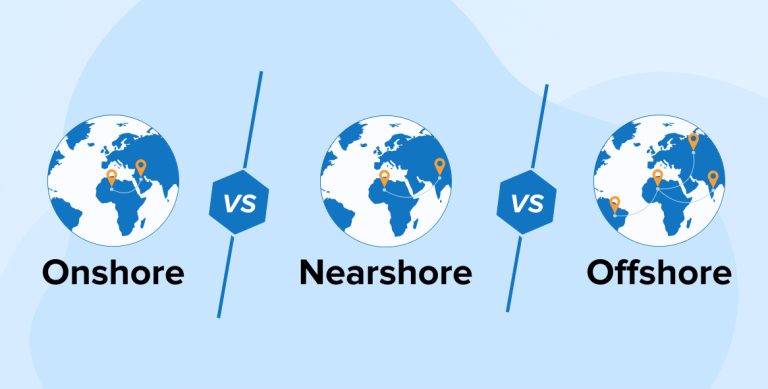
Companies are increasingly resorting to subcontracting Nearshore to benefit from the strategic location and cultural fit it offers. By collaborating with teams in neighboring countries, they can address issues related to offshore outsourcing, such as language barriers and time zone discrepancies. In addition, close subcontracting allows you to save costs while maintaining the quality of the service.
However, beyond the obvious benefits offered by this trend, such as greater foreign investment and optimization of the supply chain, there is an even greater opportunity that deserves to be explored in depth: the regionalization of the supply chain.

This strategy has become increasingly attractive to companies due to several factors, including increasing labor and transportation costs in countries such as China, as well as the growing demand for agility and flexibility in the supply chain.
Key Benefits of Nearshore Outsourcing
subcontracting Nearshore It offers several key benefits for companies, including:
- Improved collaboration through proximity and similar time zone
- Cultural affinity and fluid communication
- profitability without compromising quality
- Access to a larger talent pool
- Decrease in the investment of time, inputs and transport

Latin America, with its proximity to North American markets and its growing economic and political stability, has become a preferred destination for the implementation of nearshoring strategies. In the specific case of El Salvador, Aristos Group It has been the promoter and forerunner of it, we have witnessed a significant increase in foreign investment and the expansion of multinational companies that seek to capitalize on the advantages of the region, such as skilled labor, competitive costs and strategic location.
a crucial aspect that drives the success of the Nearshoring In Latin America it is the availability of a talented young workforce. Countries like El Salvador have an active population eager to contribute to the economic and social development of the region. However, to fully harness this potential, it is essential to invest in training and education programs that prepare workers for the demands of the current labor market, including technical, technological and linguistic skills.

By taking advantage of the profitability of nearby outsourcing, companies can optimize their operations, reduce expenses and maintain the quality of their software development and other services.
How does nearby outsourcing work or nearshore?
To start the journey of nearshore outsourcing, companies must identify the Appropriate Nearshore Partner. This involves evaluating the partner’s skills, cultural differences, and business performance. Choosing a partner with the right experience and aligned with the customer’s goals is crucial for a successful outsourcing.

Once the partner is selected, a collaboration framework is established. This includes defining communication channels, project management processes, and schedules. Collaboration tools and technologies are used to ensure effective and fluid communication between the customer and the Nearshore team.
The development process begins when the customer provides the requirements and specifications to the team Nearshore. The Nearshore team then collaborates with the client to understand the project’s objectives and offer quality solutions. Periodic communications, progress updates and feedback circuits are established to ensure timely alignment and delivery.
Managing and expanding Nearshore teams is another important aspect of outsourcing Nearshore. As the project progresses, companies may need to expand equipment based on changing requirements. Effective team management and coordination are crucial to successful outsourcing.
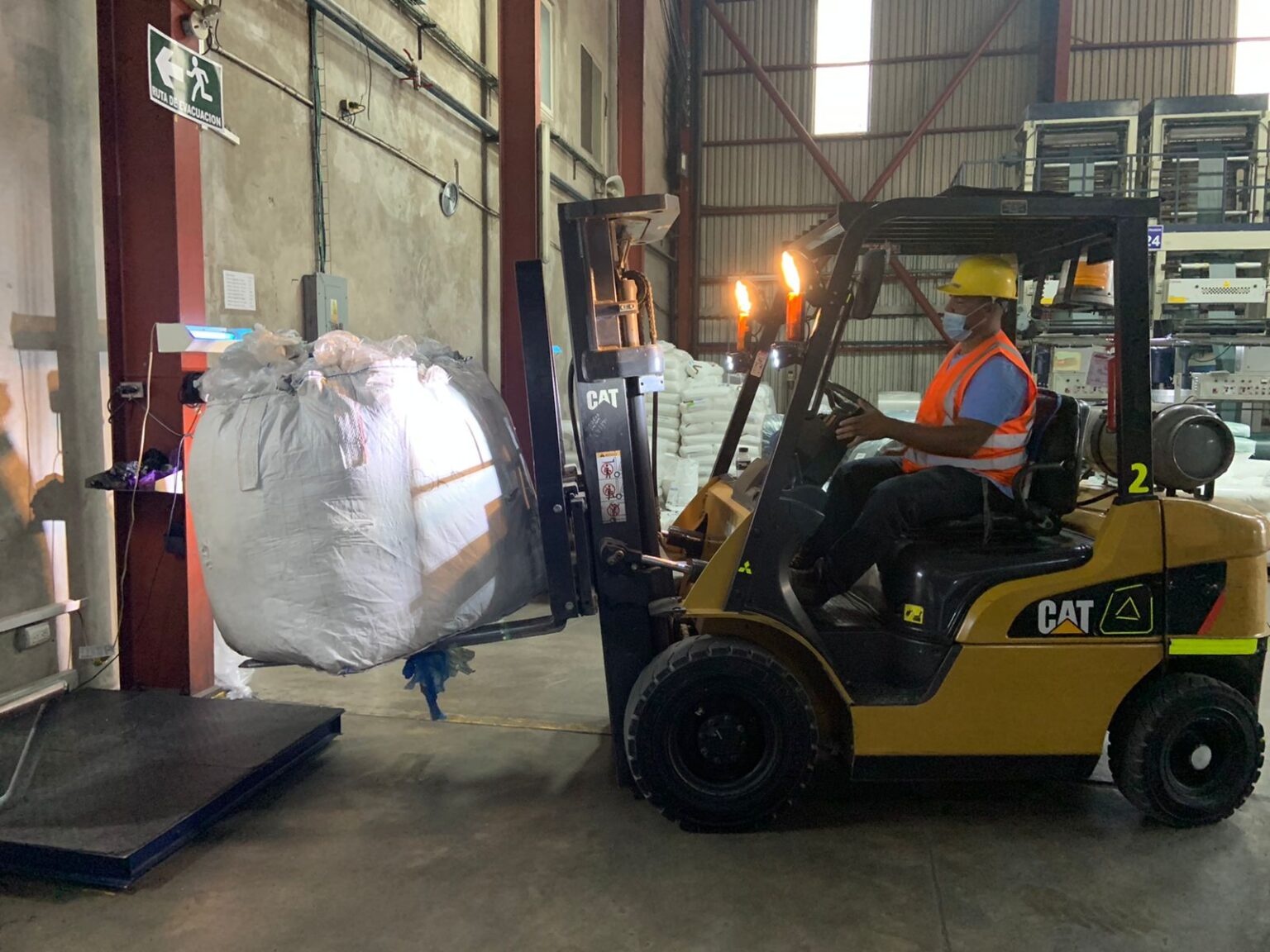
In preparation to make the most of the Nearshoring opportunities, companies like ours have started important infrastructure and development projects. the construction of specialized free zones, such as Orion Industrial Park, and the expansion of logistics and productive capacity are key steps to consolidate our position as a leading foreign investment destination.
In addition to nearshoring, other emerging trends are also transforming the business landscape in Latin America. the rise of the electronic commerce, driven by the COVID-19 pandemic, has generated an unprecedented demand for fast logistics and distribution services. In response to this trend, we are developing innovative projects such as AirCity, the first airport free zone in the country, which will revolutionize electronic commerce in the region by drastically reducing delivery times and improving logistics efficiency.
Establish a collaboration framework
The experience as Aristos Group In our different projects, it has allowed us to establish a framework for collaboration for effective close subcontracting. This framework includes several elements that facilitate smooth communication and project management:
- communication channels: Define the communication channels to be used for updates, meetings, and periodic comments. Use technologies such as video conferencing, instant messaging, and project management tools to ensure efficient communication.
- project management processes: Establish project management processes that describe roles, responsibilities and schedules. Define milestones, deliverables, and reporting mechanisms to track progress and ensure project alignment.
- time lines: Define clear schedules and expectations for deliverables, ensuring that both the client and the Nearshore team are in tune with the project deadlines.
- Collaboration tools and technologies: Use collaboration tools and technologies to enable smooth communication and document sharing. This includes project management software, version control systems, and virtual workspaces.
By establishing a collaboration framework, companies can ensure effective communication, project alignment, and timely delivery of high-quality solutions.
Management and expansion of Nearshore teams

Managing and expanding Nearshore teams is an important aspect of Nearshore outsourcing. As the project progresses, companies may need to adjust the size of the equipment based on the evolution of the requirements. Effective team management and coordination are crucial to successful outsourcing. Some key considerations for managing and expanding Nearshore teams include:
- Team coordination: Establish clear roles and responsibilities for team members to ensure efficient coordination and collaboration.
- Communication: Maintain regular communication with the Nearshore team to address any issues, provide feedback, and align with project objectives.
- Skill sets: Evaluate the evolution of the skills requirements and make the necessary adjustments in the composition of the equipment to ensure that the appropriate experience is available.
- Performance monitoring: Track NearShore team performance, provide feedback, and address any performance concerns in a timely manner.
- knowledge transfer: Facilitate the transfer of knowledge between the client and the Nearshore team to ensure the continuity and smooth execution of the project.
By effectively managing and expanding teams Nearshore, Companies can guarantee the successful execution of their outsourcing projects and achieve the desired results.
Understanding the evolution and benefits of nearshoring helps you make informed decisions. Successful examples demonstrate its effectiveness in various industries. Prioritize communication and teamwork, ensures fluid operations and scalability.
When considering outsourcing models, the Nearshore stands out for its unique advantages in global markets. Adopting nearshore outsourcing can boost business performance and competitiveness in the current dynamic landscape.