
What are Free Zones?
A free zone is a geographical area delimited with special regulations and laws to boost economic development in El Salvador. In these areas, companies can import inputs and machinery without taxes or tariffs to produce and export goods within the national territory. They offer tax and labor benefits to the companies established in them, such as temporary tax exemptions. The Law of Industrial and Commercial Free Zones regulates the operation of free zones and deposits for active improvement. Several free zones in El Salvador have contributed to the economic growth of the country.
Free zones in El Salvador
Currently, in The savior There are 17 free zones that employ 57,000 people directly and 126,000 indirectly. Aristos Real Estate (Aristos Real Estate) has two free zones: American Industrial Park and Orion Industrial Park. These areas offer tax, customs and specialized infrastructure incentives, promoting business activity and foreign investment.
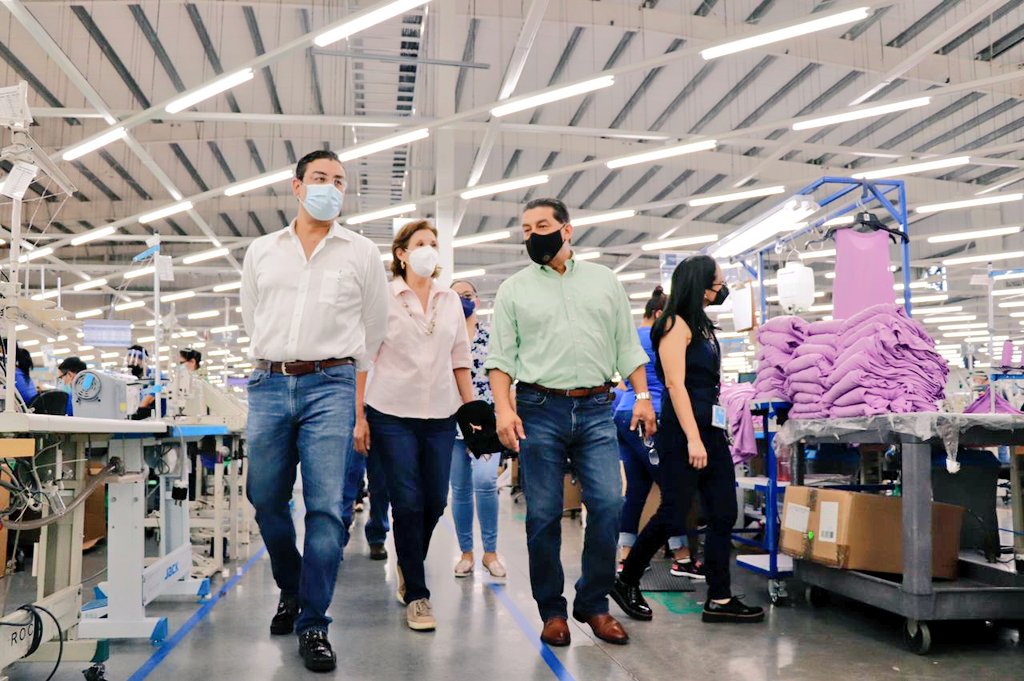
American Park El Salvador, under the administration of Aristos Real Estate (Aristos Real Estate) It stands as a benchmark in the promotion of business activity and the creation of 12,000 sources of direct employment in the country with 65% workforce made up of women.
This industrial park offers tax incentives, which favor companies that decide to settle in their facilities. With a top-level specialized infrastructure, American Park El Salvador becomes a strategic point for foreign investment, attracting companies from various sectors that seek to take advantage of the conditions favorable for the growth and expansion of their operations.
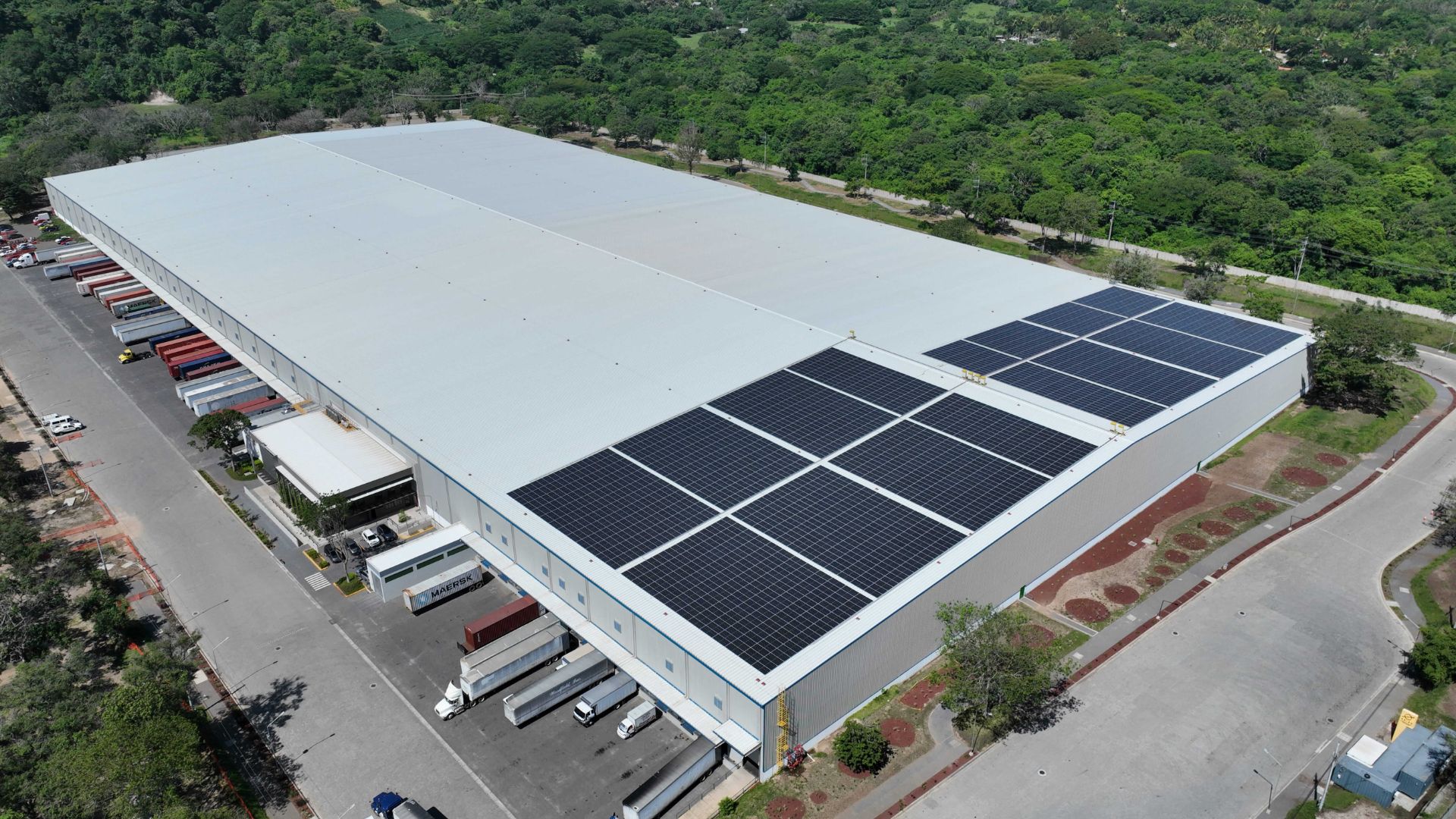
On the other hand, Orion Industrial Park, also belonging to Aristos Inmobiliaria (Aristos Real Estate) and is positioned as an Eco Industrial Free Zone since it is fed 100% with renewable energy and has been developed under the approach prepared by the United Nations Industrial Development Organization (UNIDO).
For those companies that are looking for an environment conducive to their industrial and logistics activities, with environmental responsibility, Orion is the ideal option.
This park, like American Park El Salvador, It provides attractive tax incentives and customs facilities, becoming a catalyst for the competitiveness and productivity of companies that choose to settle in their facilities.
Both industrial parks of Aristos Inmobiliaria (Aristos Real Estate), American Park and Orion Industrial Park, seek the attraction of foreign investment and consolidate the position of El Salvador as an attractive destination for international businesses, strengthening the country’s economic diversification and promoting sustainable growth in the long term.
These real estate Aristos (Aristos Real Estate) initiatives reflect a firm commitment to the economic development of El Salvador and highlight the importance of free zones as key drivers of progress in the region.
Economic impact of free zones
Free zones in El Salvador have had a positive economic impact, both locally and nationally. These areas contribute significantly to El Salvador’s Gross Domestic Product (GDP), generate employment and attract foreign investment.
According to data from the Central Reserve Bank (BCR), In 2022 El Salvador exported textile merchandise for $2,751 million, 4% more compared to 2021. Cotton t-shirts were the main product shipped to the United States.
employment opportunities
Free zones in El Salvador create a large amount of employment, offering job opportunities to the local population. These areas employ workers with or without previous experience, encouraging the development of the Salvadoran workforce. The creation of employment in the free zones, promoted by this law, not only benefits workers, but also local communities, since it promotes economic development and the general well-being of the area.
American Park Jobs and Foreign Investment Attraction
Free zones in El Salvador are a magnet for foreign investment, attracting companies from all over the world. Foreign companies find tax and customs incentives attractive, as well as the infrastructure and specialized services available in these areas. The regulatory framework for free zones in El Salvador promotes the entry of foreign capital, which drives investment and economic development in the country.
According to the Chamber of the Textile Industry, Clothing and Free Zones of El Salvador, CAMTEX The free zone regime has existed in El Salvador since 1998. Currently, there are 17 free zones that house 158 companies, mainly from the agro-industrial, textile and clothing sectors.
This generates more than 56,000 direct jobs and 126,000 indirect jobs.
Empowerment of women in the workforce
Free zones in El Salvador offer equal employment opportunities for women, encouraging labor inclusion and women’s empowerment. These areas implement initiatives to improve women’s skills and capacity, promoting gender equality in the Salvadoran labor market. Women employed in free zones contribute significantly to the local and national economy.
Aristos Inmobiliaria (Aristos Real Estate) supports the local development of the communities through the Aristos Foundation, Private non-profit organization that acts under 3 pillars that contribute to the development of the country through sustainable and replicable programs.
Compliance with international regulations
Compliance with international regulations is essential for the competitiveness of Free zones in El Salvador. Compliance with these rules ensures the credibility of these areas as reliable business destinations and fosters transparency and accountability within the free zones. Compliance with international regulations also facilitates integration into global supply chains, which encourages the development of export activity and knowledge transfer.
By the end of 2023, it is essential to recognize the considerable effort that the Government of El Salvador has dedicated to promote investment in the country. A prominent example of this commitment is the recent modification of the Law of Industrial Free Zones and Marketing (LZFIC), which entered into force in September 2023.
The most relevant aspects of these modifications in the legal framework that govern users of free zones and deposits for active improvement (DPA) in El Salvador, are detailed below:
**Incorporation of new encouraged activities:**
The reforms to the LZFIC include the incorporation of new incentives, highlighting the food industry and marketing. This expansion covers the production, processing, transformation and marketing of food and/or animal feed, clearly defining what is considered as food and excluding certain products such as cosmetics, tobacco and medicines.
In addition, the inclusion of the production and marketing of sugar and its derivatives is expanded, allowing its incorporation for the manufacture of chemical goods, cosmetics, pharmaceuticals, food and animal food.
Aquaculture, which covers the reproduction of fish, molluscs and algae, is also established as an incentivized activity, together with the creation of vertical free zones, specific areas of the national territory that allow the entry of goods without being subject to import and export taxes, intended for operations allowed by law.
**Changes in waste regulation:**
The definition of waste is expanded, considering materials, substances and objects without direct use, incorporating the possibility of recycling by authorized managers. Beneficiaries who make transfers for onerous title must pay import taxes on the value invoiced.
Challenges and possible solutions
Despite their success, the free zones in El Salvador face challenges, such as infrastructure limitations and regulatory requirements. These challenges require innovative solutions, fostering collaboration between government and industry. Overcoming these difficulties, such as improving logistics and the development of efficient regulatory frameworks, as well as updating the regulations approved by the Legislative Assembly, will be essential for the sustainable growth objective of free zones in El Salvador.